
Dirt biking can be termed a fascinating sport that is participated in by numerous people across the globe. The dispute around gas and electric dirt bikes has emerged as more and more companies produce e-models.
This article aims to provide a comprehensive comparison to help you make an informed decision based on your needs and preferences, ensuring you understand the core differences and the pros and cons of each type.
What Are Gas Dirt Bikes?
Definition and characteristics
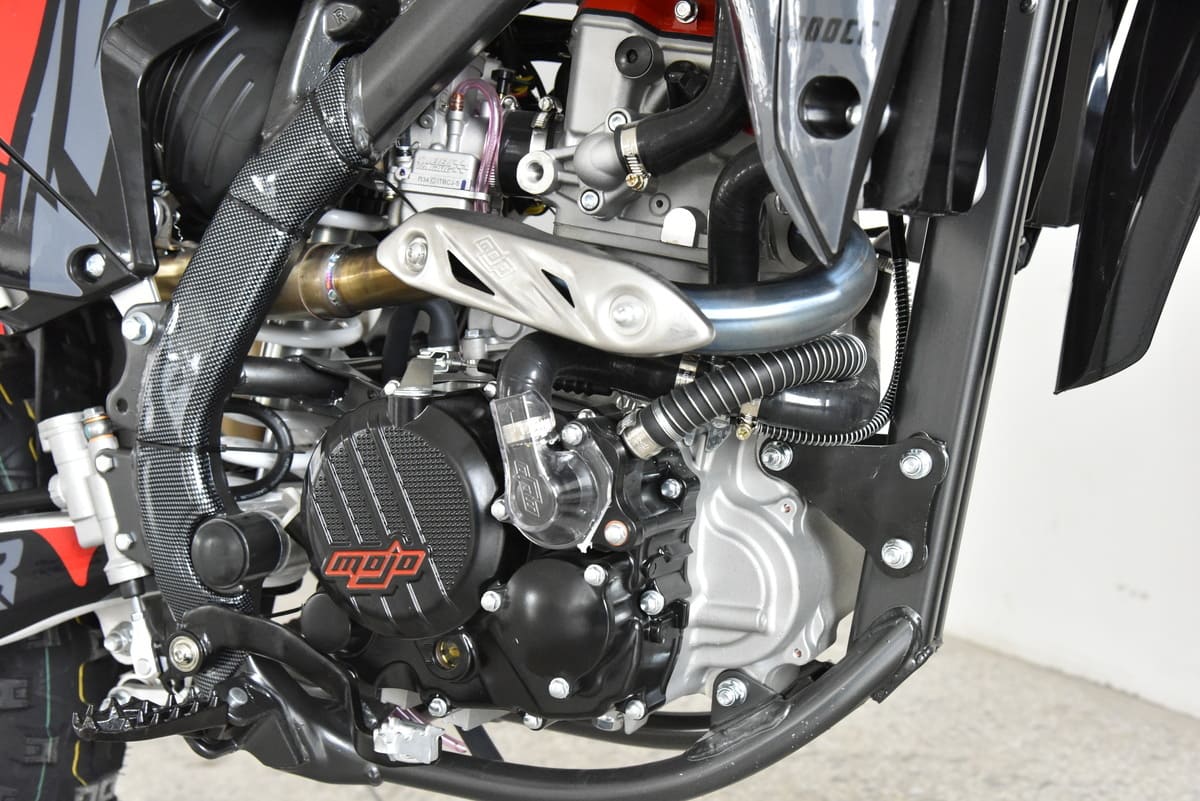
Gas dirt bikes have been the traditional choice among riders. They are characterized by internal combustion engines which burn fuel, typically gasoline, to create power.
How Gas Dirt Bikes Operate
Gas dirt bikes incorporate a combustion system of fuel and air that is ignited by a spark plug that in turn leads to an explosion that moves the piston.
This mechanical action develops the bike’s power and moves it forward. In general, gas dirt bikes are known for their robustness and reliability under various riding conditions.
What Are Electric Dirt Bikes?
Definition and characteristics
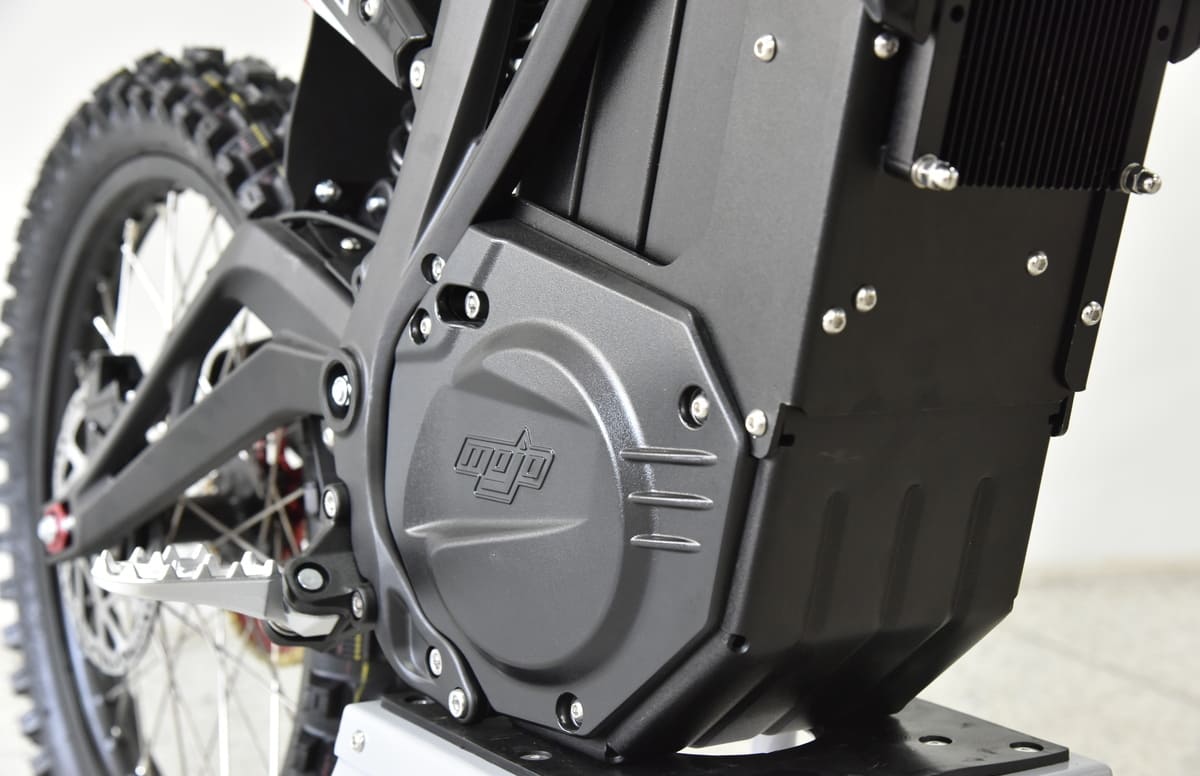
Electric dirt bikes are powered by electric motors and batteries instead of gasoline engines. They have gained increasing popularity due to their environmentally friendly nature and quieter operation.
How Electric Dirt Bikes Operate
An electric dirt bike operates using an electric motor powered by rechargeable batteries. When the throttle is pulled, electrical current is supplied to the motor by the battery and thus causes motion. Electric dirt bikes are generally characterized by high torque and the fact that they do not require a lot of maintenance.
Performance Comparison
Speed and Acceleration
Speed and acceleration are key factors when comparing gas and electric dirt bikes. Conventional gas dirt bikes, typically equipped with combustion engines, can reach speeds exceeding 60 mph. Certain high-performance models may even exceed 80 mph, offering an exhilarating experience on open trails.
However, electric dirt bikes showcase impressive acceleration due to their superior power-to-weight ratio. Many electric models can go from 0-30 mph in under 3 seconds. While some high-end electric bikes now reach top speeds of around 50-65 mph, they generally provide a smoother and quicker acceleration experience compared to their gas counterparts.
Understanding how fast these dirt bikes can go not only helps in choosing the right model but also in evaluating their performance for various terrains. To dive deeper into this topic, check out our blog post on how fast electric dirt bikes go and explore the factors that influence speed, from motor power to rider technique.
Power and Torque
Dirt bikes that use gas are generally more powerful in horsepower and therefore, they can perform exceedingly well in difficult terrains. For instance, a 250cc gas dirt bike has more or less 30-40 horsepower to its ability.
However, electric bikes that are used in this research now respond with instant torque from zero rpm, thus giving a smooth power output. The motor of an electric dirt bike may provide about 15-20 horsepower but can offer comparable performance due to the immediate torque available.
Maintenance and Durability
Maintenance Needs
Oil changing, tune-up of the bike, cleaning of the air filter, and spark plug change are advised for gaseous dirt bikes. Such tasks help the engine function properly and increase the life of the bike. For instance, maintaining an oil change in a gas dirt bike may require 10-15 hours of riding the bike.
Whereas electric dirt bikes require insignificant maintenance because they do not possess many parts that are susceptible to breakdowns. Some basic maintenance is common maybe battery and occasionally the brake. Thus, from this perspective, it seems more suitable for the everyday consumer because it does not lose or perform operations with such components as oil, filter, etc.
Durability
Both the gas and electric dirt bikes are made to be resilient to specific conditions. Still, electric bikes have fewer parts that need to move hence they tend to be more durable bikes with hardly any mechanical breakdowns.
Another thing to be highlighted here is that though electric bikes require little mechanical attention, their function may be affected if the battery is not looked after.
Cost Considerations
Initial Purchase Price
One of the most recognized factors is the price at which the product is first purchased before servicing. Gas dirt bikes also known as traditional dirt bikes are cheaper than electric dirt bikes in the initial purchase.
For instance, a new gas dirt bike can cost between $1,500 𝘢𝘯𝘥 $1,500 𝘵𝘦𝘯 $3,000, while impressive electric models start at $2,500 𝘶𝘱 𝘵𝘰 $5,000. Nevertheless, the prices of electric bikes have been dropping, becoming much more affordable and competitive with other types of bikes as technology advances. If you’re curious about the general cost of electric dirt bikes, you can check out our blog post on how much is an electric dirt bike. It provides a detailed breakdown of price ranges and what influences these costs.
Long-term Operating Costs
Beyond the initial purchase costs of a dirt bike, it’s crucial to consider their long-term operational expenses. In comparison to electric dirt bikes, petrol dirt bikes can accumulate higher costs over time due to expenses such as fuel, frequent maintenance, and component wear. Maintaining a dirt gas bike requires one to set aside a sum of money for periodic oil changes and other parts like fuel and other parts. On the other hand, electric dirt bikes although may be a little more expensive initially than other dirt bikes in terms of the initial purchase, they offer the lowest cost of ownership since electricity is cheap and the motors require less maintenance.
For example, if the rider needs to power up the lithium-ion battery of an electric dirt bike, it may only cost a few cents which is far cheaper than it would take to refill with gasoline.
Environmental Impact
Emissions
The environmental impact of dirt bikes is a significant factor to consider. Gas-powered dirt bikes emit harmful gases that contribute to air pollution and climate change. According to the Environmental Protection Agency (EPA), a typical gas dirt bike can produce significantly higher levels of pollutants compared to electric options.
In fact, off-road motorcycles may emit 8-10 times more pollution per mile than electric dirt bikes. This stark contrast highlights the environmental advantages of electric dirt bikes, which produce zero tailpipe emissions, making them a much greener choice for riders concerned about their ecological footprint.
Energy Consumption
Even though both these bike categories will use energy, electric dirt bikes will use it more efficiently. Fueling modern batteries in the end requires less energy than charging extraction, refining, and transporting of gasoline. For instance, research conducted by the Union of Concerned Scientists revealed that electric vehicles can have up to three improvements as compared to internal combustion engines in terms of efficiency of converting energy into motion.
Manufacturing Impact
The environmental impact of dirt bikes extends beyond daily usage and into the manufacturing phase. Critics have said that electric dirt bikes emit even more carbon than gas dirt bikes because of the extraction and processing of materials such as lithium, cobalt, and nickel in battery production. This specific manufacturing process may emit large quantities of greenhouse gases.
However, some studies like the one by the International Council on Clean Transportation reveal that although the carbon footprint of the electric dirt bike’s manufacturing is higher than that of a traditional one, the entire life cycle is beneficial to the environment as it is emission-free. Therefore, if the total life cycle is taken into consideration, electric dirt bikes have comparatively lower overall emission levels than gas dirt bikes.
User Experience
Noise Levels
Gas dirt bikes also have loud engines and can become noisy which is uncomfortable and limits the areas that it can be ridden. It can be as loud as a rock concert The sound of a gas dirt bike can be anywhere from 96 to 110 decibels depending on how hard the rider accelerates the bike. However, many riders opt for this sound as it contributes a real and enjoyable riding experience to different modes of riders.
In contrast, electric bikes are notably quieter, offering a more peaceful riding experience. The reduced noise level allows for riding in noise-sensitive areas without causing disturbance, which can be beneficial for riders living in urban areas or who wish to ride in public spaces where noise regulations are strict.
Riding Comfort
Electric dirt bikes do not vibrate and heat up as traditional dirt bikes do and hence improve the comfort of the rider. In the case of electric vehicles, it is painted that the lack of an internal combustion engine equates to fewer things shaking.
On the other hand, gas bikes can be noisier and hotter due to engine combustion, leading to a more taxing ride over extended periods.
Riding Experience
Handling and Control of Gas dirt bikes
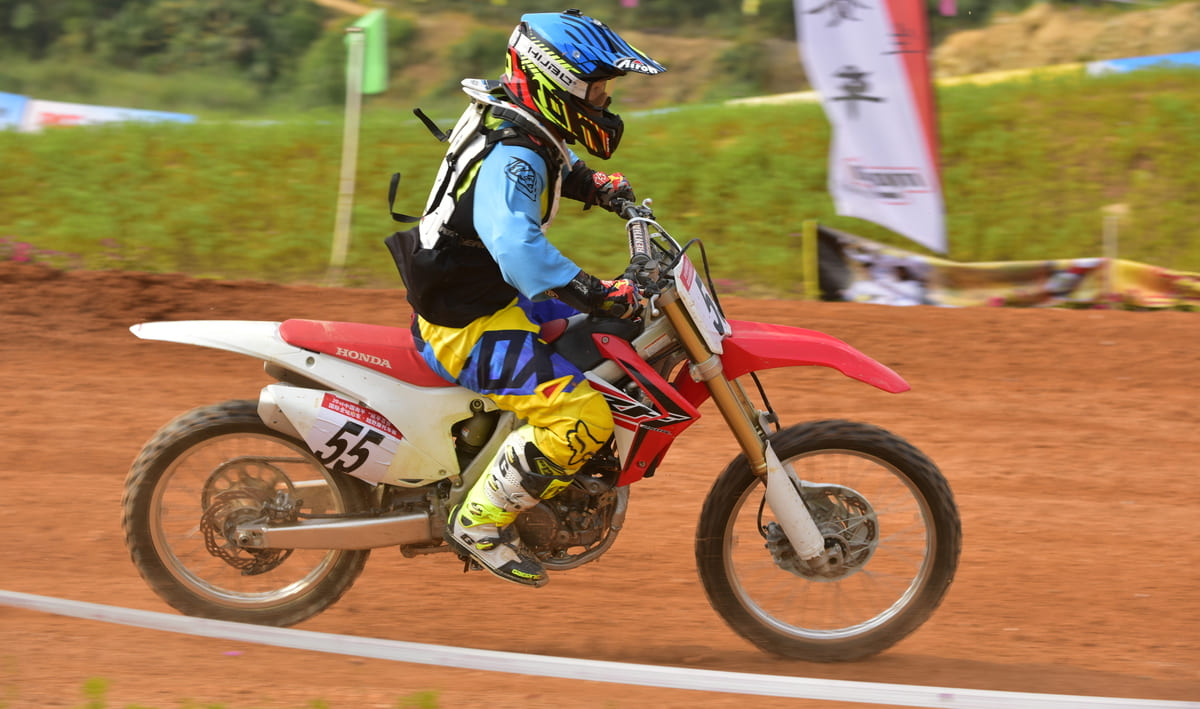
Dirt bikes that are gas-powered provide the rider with a true unleveled taste of the form and provide high sensations that come with throttle and clutch control. Unlike an electric one, the power of an engine and the changes in speed because of shifting enhance the experience of a gasoline dirt bike, which makes it preferable for professionals.
Handling and Control of Electric dirt bikes
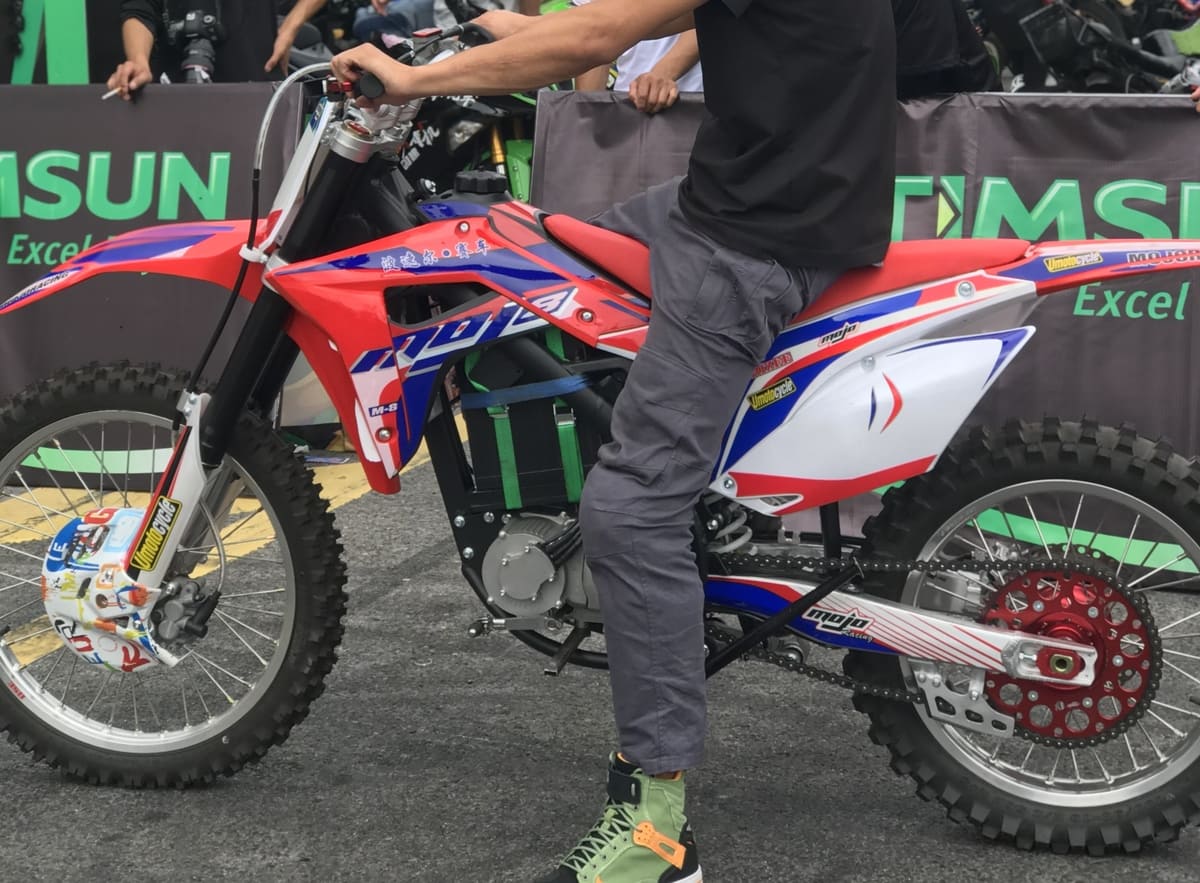
An electric dirt bike does not require a clutch or a gear shift lever because it gives better and quicker throttle feedback. The instant torque delivery and quiet operation enhance the overall riding experience, making electric bikes suitable for riders of all skill levels.
Suitability for Different Riding Environments
Gas dirt bikes: Suitable Terrains and Riding Conditions
Categorized by power source, gas-powered dirt bikes are great for trails, motocross, and desert racing. Because they give high power output and draw attention to the aggressive performance, these bikes are suitable for riders, who desire off-road experiences.
Electric dirt bikes: Suitable Terrains and Riding Conditions
Electric dirt bikes are stable and can be used for different types of riding terrains. They are ideal especially when riders are in noise areas and environmentally sensitive areas due to their low sound production and friendly environment.
Conclusion: Which Type of Dirt bike Suits You Most?
In summary, the choice between gas and electric dirt bikes revolves around several critical factors. Gas dirt bikes stand out for their superior performance, powerful capabilities, and mechanical engagement which appeals to traditionalists and experienced riders. However, they demand regular maintenance and have a greater environmental impact.
Conversely, electric dirt bikes offer a quieter, low-maintenance experience, making them more suitable for the environmentally conscious rider or those in noise-sensitive areas. Their lower long-term operational costs also make them an attractive option.
Ultimately, consider your riding style, environment, and maintenance preferences to determine which dirt bike best suits your needs.